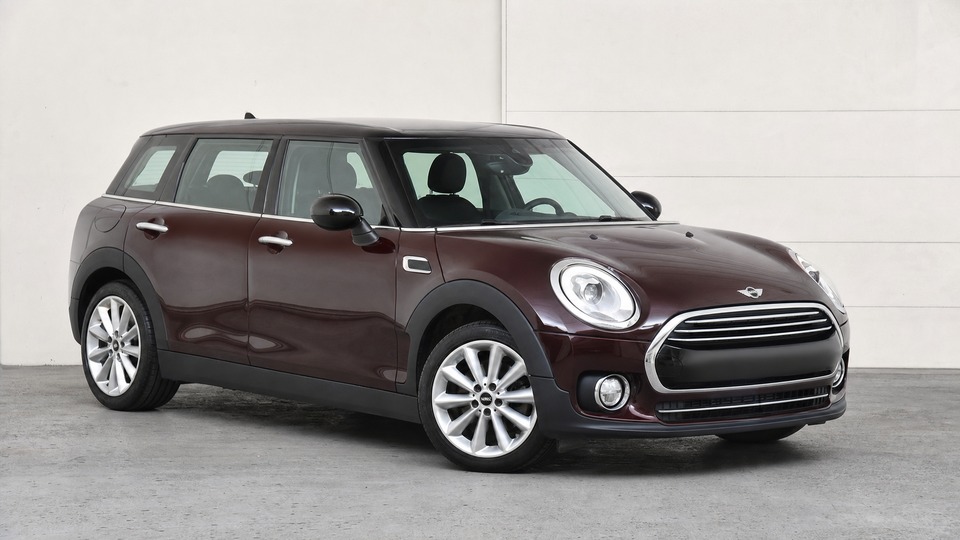
The largest Mini ever made, sharing its UKL2 platform with the BMW X1 F48 and BMW 2 Series Active Tourer. The Cooper D uses BMW's B47 2.0-litre four-cylinder turbodiesel producing 150 hp and 330 Nm, paired with either a 6-speed manual or 8-speed Aisin automatic. Production ended in February 2024 with no successor planned, making the F54 the last Clubman generation.
B47 diesel is robust and efficient
Practical estate with premium interior
Diesel-specific emissions hardware issues
Fuel sensor can leak diesel into ECU
Buy if: You do regular longer journeys, can verify the EGR cooler recall is completed, and find one with full service history showing regular oil changes.
Avoid if: You mostly drive short urban trips (DPF clogging risk) or want a low-maintenance diesel. The emissions hardware needs monitoring.
Expected Annual Maintenance Costs
Common Problems
Failed fuel rail pressure sensor allows diesel to wick through wiring into the engine control unit · more· less
A known design issue on B47 diesel engines where the fuel rail pressure sensor fails and allows diesel fuel to seep into the wiring loom via capillary action. The fuel gradually migrates through the wire insulation, reaching connectors and eventually the ECU itself. Symptoms range from diesel smell around the engine bay to misfires, warning lights, and communication faults. If caught early (sensor and affected wiring section only), repair costs around 800-1,500 at a specialist. If the ECU is damaged, costs escalate to 3,000-5,000 with a dealer replacement, though specialist ECU repair (opening, cleaning the board, resealing) can reduce this to around 1,500-2,500. Some owners have successfully had MINI cover part or all of the cost as a goodwill gesture, but this is inconsistent. The issue appears across the production run but is more commonly reported on cars with 60,000-120,000 km.
Glycol coolant leaks from EGR cooler into exhaust, creating a potential fire hazard · more· less
A major recall affecting B47 diesel engines across BMW and MINI models. The EGR cooler can develop internal cracks, allowing glycol coolant to leak into the exhaust gas stream. Mixed with diesel soot, this can cause smouldering particles, intake manifold damage, and in extreme cases fire. BMW has issued multiple recall expansions covering vehicles built between 2013 and 2018. The recall repair involves inspection and replacement of the EGR cooler if necessary, performed free of charge by MINI dealers. However, if the recall was not completed and the cooler has already damaged the intake manifold, out-of-pocket repair can reach 1,500-2,500. Verifying recall completion is essential before purchase. Over 30,000 Clubman models were affected in the European recall.
Diesel particulate filter clogs when the car is used predominantly for short urban trips · more· less
The B47 engine requires regular DPF regeneration cycles, which need sustained motorway driving at temperatures above 600 degrees Celsius to burn off accumulated soot. Cars used primarily for short urban journeys (under 15-20 km) frequently fail to complete regeneration, leading to progressive DPF blockage. Symptoms include DPF warning light, reduced power, increased fuel consumption, and eventually forced regeneration attempts. A DPF clean at a specialist costs 300-500, but if the filter is beyond recovery, replacement costs 1,200-2,500 depending on whether OEM or aftermarket. The EGR valve condition directly affects DPF health: a failed EGR valve prevents the engine from entering regeneration mode, causing the filter to fill with soot rapidly. This creates back pressure and heat that can damage the turbocharger.
Intake swirl flaps clog with carbon from EGR and turbo oil residue, potentially breaking apart · more· less
The B47 intake manifold contains swirl flaps that improve combustion efficiency at low loads. Over time, these become coated in carbon from EGR gases and oil residue from the turbocharger. Once heavily caked, the flaps can stick, causing rough idle, misfires, and reduced power. In worst cases, flap material can break off and enter the combustion chamber, damaging pistons, valves, and injectors. Preventive removal (swirl flap delete) costs around 250-400 at a specialist and is commonly recommended beyond 60,000 km. If engine damage has already occurred from flap ingestion, repair costs can reach 2,000-2,500 or more. Symptoms include rough idle, engine hunting, smoke on startup, and loss of power under load.
Plastic housing between oil cooler and engine block deforms over time, leaking coolant or oil · more· less
A known issue across the UKL2 platform affecting both petrol and diesel variants. The plastic oil filter housing sits between the oil and coolant circuits, and repeated thermal cycling causes the housing to become brittle and the gasket to fail. This leads to external oil leaks or, more seriously, internal coolant-oil mixing. Symptoms include coolant loss without visible external leak, milky oil on the dipstick, or visible weeping around the oil filter area. Repair at an independent specialist costs 400-600, while a MINI dealer typically charges 800-1,200. Early detection prevents serious engine damage from coolant contamination of the oil supply. Typically appears between 60,000 and 120,000 km.
Electronic latch mechanism for the signature barn doors fails, leaving one or both doors stuck · more· less
The F54 Clubman's distinctive split rear doors rely on electronic latch actuators that are prone to failure. Owners report hearing the actuator click but the door refusing to open, particularly the left door. The failure is caused by wear in the electric motor and mechanism inside the latch assembly. The latch assembly itself costs around 100-150 for parts, but dealer labour for the repair can bring the total to 500-800. At an independent specialist or for a handy DIY owner, the repair is significantly cheaper (200-350). The issue is more common after 30,000-50,000 km and can recur after repair if the replacement uses the same design. Many owners report this is the single most annoying reliability issue with the F54 Clubman.
Aisin 8-speed automatic develops rough shifting, jerking, or goes into limp mode · more· less
The Aisin 8-speed automatic is generally robust but can develop issues related to dirty transmission fluid and mechatronics unit wear. BMW considers the transmission fluid to be lifetime fill, but Aisin (the manufacturer) recommends changes every 30,000-40,000 km. Cars where the fluid has never been changed may develop rough engagement into Drive, jerky low-speed shifts, or transmission error messages leading to limp mode. A fluid and filter change at a specialist costs 300-500 and often resolves early symptoms. If the mechatronics unit has been damaged by contaminated fluid, repair costs 1,500-3,000. Manual gearbox variants do not have this issue.
Reliable diesel engine, but emissions hardware needs attention
The B47 diesel is a significant improvement over the older N47, with no widespread timing chain failures and generally solid long-term durability when properly maintained. However, the diesel-specific systems (DPF, EGR, swirl flaps) require monitoring, and the fuel pressure sensor wiring issue is a genuine design concern. Cars used for regular motorway driving with documented service history tend to fare well. Short-trip urban use significantly increases the risk of expensive DPF and EGR problems. Always verify the EGR cooler fire safety recall has been completed.
Recalls and Technical Service Bulletins
EGR cooler leak / fire risk (2015-2018 diesel models)
Critical - verify completed
Side curtain airbag deployment position (2016-2017, built Aug 2015 - Jul 2016)
Verify completed
Crankshaft sensor firmware (2018-2019 models)
Verify completed
Takata passenger airbag inflator (2014-2016 models)
Verify if applicable
The EGR cooler recall is the most critical for diesel models due to fire risk. Contact MINI or BMW with the VIN to verify all recalls have been completed. Over 30,000 Clubman models were affected by the EGR recall in Europe alone.
Warranty Status
Factory warranty (2 years, 3 years from Nov 2016)
Expired on most used examples
Rust perforation warranty (12 years)
May still apply on 2015+ cars
Emissions system warranty
Check local regulations. Some countries extend diesel emissions coverage.
MINI extended the factory warranty from 2 to 3 years (matching BMW) from November 2016 onwards. All pre-2024 Clubman models are now outside their original factory warranty. Extended warranty options are available through MINI dealers. The 12-year rust perforation warranty may still be active on newer examples.
This report is for informational purposes only and does not constitute professional advice. Estimates may be inaccurate. Always have a qualified specialist inspect the vehicle before purchase. We accept no liability for decisions made based on this information.