2020-2024 · 77 kWh battery · 150 kW (204 hp) electric motor
Volkswagen's first mass-market electric hatchback built on the MEB platform. Exceptional battery longevity with 91% capacity retention after 160,000 km of testing. Early 2020-2021 cars plagued by significant software bugs causing infotainment freezes, settings resets, and even complete system failures requiring dealer intervention. The 12V battery drain issue has been largely resolved via software updates (version 0783+), but early cars may still need battery replacement. Key concerns: infotainment reliability, OTA update failures (3-4% brick rate), and rear drum brakes seizing in cold climates. The 77 kWh Pro S was 4-seat only until the 2023 facelift due to weight limits. Check for high-voltage battery recall (2020 production affected 10,000 units). Rear drum brakes should last vehicle lifetime according to VW (150,000 km rating), but cold climate owners report freezing issues.
Early cars (2020-2021) had severe software issues, screens freezing, settings resetting · more· less
The ID.3 launched with incomplete software and was plagued by bugs that delayed sales by almost a year. Common issues include infotainment screens going blank, profiles/settings forgetting preferences, and voice recognition activating spontaneously. Software version 0564 had 23 identified bugs. Most early problems have been addressed through over-the-air updates, but some owners report screens still blank after updates or continuous rebooting. Latest software (V3.0+) is more stable but not perfect. If the infotainment unit fails completely, screen replacement costs €1,000-1,500 at dealers, or €700 via independent shops with used parts. Most issues can be resolved via software reset (hold power button 10-15 seconds) or OTA updates provided free by VW.
12V battery drain / failure€200 - €400
Early cars would die after 1-2 days parked, fixed via software update 0783 · more· less
At least 30 documented cases of 12V battery drain on early ID.3s, caused by internal bus devices draining power even when switched off. Software update 0783 (Me 2.0) monitors the 12V battery and uses the high-voltage battery to charge it when voltage drops below 11.5V. Early software versions (0570) attempted to fix this but were not fully effective. Some cars required 12V wire harness and connector replacement. VW replaced batteries free under warranty for affected vehicles. On V3.0+ software, enable "optimised battery usage" in the app. Note: Leaving the key fob within 10m of the car prevents sleep mode and accelerates drain. 12V battery replacement costs €200-400. Temporary workaround: Leave car in drive mode for 20 minutes to charge 12V from HV battery.
OTA update failure / car bricked€0 - €500
VW admits 3-4% of over-the-air updates fail, leaving car immobile · more· less
VW's OTA update system has bricked approximately 1 in 20-25 cars during updates. Symptoms include infotainment turning on but car refusing to power up or drive. Failed updates can take 2-10 days to resolve at dealers via manual software installation, though manual installs can also fail requiring escalation to VW Germany. Some failures caused by 12V battery dying mid-update. Update times vary wildly - V3.7 updates reportedly take 3.5+ hours. If car is bricked, VW typically covers repair under warranty, but out-of-warranty recovery could cost €300-500 in labor. To minimize risk: Ensure 12V battery is healthy before updates, keep car plugged in during updates, and avoid interrupting the process. Updates from V3.2 to V3.7 have shown higher failure rates than V3.5 to V3.7.
High-voltage battery cell defect (2020 production)€0 under recall
10,000 units (2020) had cells with increased self-discharge, recall issued · more· less
Approximately 10,000 VW ID.3 and ID.4 vehicles built in 2020 had a manufacturing defect in high-voltage battery cells causing increased self-discharge. Symptoms include fully charged cars losing 10% charge overnight without moving, or sudden range drops below 50% charge. One reported case involved a car stopping response to accelerator pedal at 160 kph, though it resumed after coasting. VW issued a formal service measure requiring affected owners to visit dealers for battery module replacement. Additionally, in July 2021, VW identified a software issue with the battery management system that could reset while driving, causing loss of propulsion. If your car is affected, the repair is covered under recall at no cost. Verify with VW using your VIN whether your vehicle is affected. This primarily affects 2020 production year vehicles only.
Drive motor / inverter failure€3,500 - €11,000
"Electric drive not working correctly" error - can be software or hardware · more· less
Some ID.3 owners report "Electric drive not working correctly. Visit workshop" warnings. In many cases, the car drives fine and this is a firmware error (especially on early software versions) which VW Assist says is safe to ignore. However, genuine failures do occur requiring replacement of drive motor and control module. One dealer quoted $11,000 (approximately €10,000) for motor replacement out of warranty. Other cases involve inverter issues, coolant pump failures, or inline communication card problems. VW recommends updating software for the pulse inverter control unit and high-voltage battery management control unit. Parts availability has been problematic - some garages report no battery modules in stock with unknown restock dates, and parts on backorder from suppliers. Most failures occur under warranty and are covered. Verify software is up to date before suspecting hardware failure.
Heat pump / air conditioning failure€1,200 - €2,500
AC compressor failures, heat pump less efficient than promised · more· less
Multiple owners report air conditioning failures where the system produces air at outside temperature without cooling. Some logged cabin temperatures starting at 40°C and finishing at 39.8°C after 23 minutes of driving. The optional heat pump (costs €1,250 extra) was promised to achieve 30% more range in winter, but testing by Nextmove found it actually made the ID.3 less efficient. When both heating and AC are enabled for demisting, the heat pump operates in chill mode and heat comes from the resistive heater instead, negating heat pump benefits. AC compressor replacement required in some cases, taking several weeks for parts. Some units were fixed under warranty. Note: In ECO mode, AC compressor energy consumption is restricted, reducing cooling power in very hot weather. Heat pump issues appear to be software-related and VW promised future updates to fix efficiency. AC compressor replacement costs €1,200-2,500 including labor.
Suspension drop links / creaking bushings€200 - €600
Drop links fail causing knocking, bushings creak over bumps · more· less
Drop links (stabilizer links) are a recognized issue on the ID.3. Symptoms include knocking that disappears when cornering. Some early cars had rattly rear shock absorbers. Front suspension creaking is addressed by a VW technical bulletin with a fix involving dropping the lower arms from the subframe and applying VW-supplied lubricating grease prior to any parts replacement. The grease fix is effective for 18-24 months but may need reapplication. Other noise sources include failed driveshafts, arm bushings needing replacement, loose underbody plastic panels, rear window plastic trim, charging cable rattling in boot, and rear seat catch clicking. Drop link replacement costs approximately €200-400 including labor. Bushing lubrication service costs €150-250. If driveshaft replacement is required, costs can reach €600.
Sealed drums can freeze in cold weather, VW claims they last vehicle lifetime · more· less
VW uses rear drum brakes on the ID.3 specifically because regenerative braking means rear brakes are used so rarely that disc brakes would corrode. Continental estimates 150,000 km service interval, and VW states drums should last the life of the vehicle. The drums are fully sealed to prevent corrosion and sticking. However, some owners (particularly in Finland and cold climates) report rear brakes freezing, with the car starting to move with a loud bang when ice breaks off. One owner with 28 months and 100,000 km found the sealed drum technology disappointing. While designed to be maintenance-free, debris and corrosion may cause brakes not to disengage properly if left as parking brakes for prolonged periods. Testing at 48,000 km showed all components in great condition. Drum brake replacement costs €300-800 per axle if needed, though this should be rare. Most issues are cold weather-related rather than wear-related.
Door handle failure / freezing€300 - €600
Keyless entry fails in cold/wet weather, bow cable failures reported · more· less
Keyless entry struggles in cold or wet weather on some vehicles. Mechanical failures include faulty bow cables requiring replacement (2.5 days repair time under warranty). Some owners report handle mechanisms freezing and not pulling out to release the door, with ice suspected inside door latch on brand new cars. VW may be using an environment-friendly lubricant that freezes at low temperatures. During one repair, technicians found several liters of water in the doors, contributing to freezing problems. Touch/swipe to lock functionality has stopped working on both driver and passenger doors for some owners, though key fob still functions. Some cases required door handle or sensor replacement under warranty. Out of warranty, door handle replacement costs €300-600 including labor. Keyless locking continues to function regardless of weather, but unlocking can be problematic.
Early software issues largely resolved, but caution with 2020-2021 cars
The ID.3 launched prematurely with serious software problems that have since been addressed through multiple updates. Battery longevity is exceptional (91% capacity at 160,000 km). Most mechanical components are reliable, but software and electronic issues remain the primary concern. Cars from 2022 onward with software version 3.0+ are significantly more stable than early production. Check for completed recalls (2020 high-voltage battery, 12V battery) and verify software is up to date before purchase. Independent service is possible and costs 50-60% less than VW dealers.
Pre-Purchase Inspection Checklist
General checks
Service history
Verify service records every 2 years. Check VW dealer or authorized EV specialist maintenance logs.
Tires
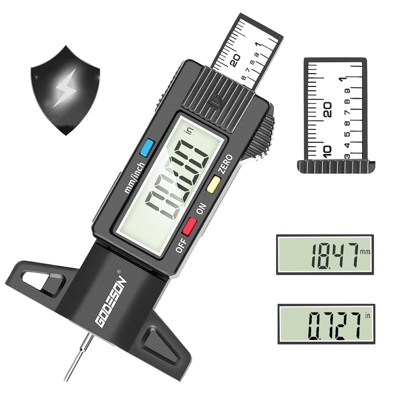
Check tread depth (minimum 3mm), age (date codes), and uneven wear. EV tires wear faster due to instant torque.
Cold start test
Car must power up immediately with no warning lights. Check 12V battery voltage (should be above 12.5V).
Body condition
Check for accident damage, panel gaps, paint mismatch. Inspect underbody battery protection panels.
Test drive
Minimum 30 minutes including highway speeds. Test regenerative braking at different levels.
Specific for this vehicle
Verify software version and all OTA updates completed
Check in settings: Software version should be 3.0 or higher for stability. Ask owner if any OTA updates failed.
Test infotainment system thoroughly
Check both screens (main infotainment and driver display), test all functions, ensure no freezing or rebooting. Test Apple CarPlay/Android Auto.
Verify high-voltage battery recall completed (2020 cars)
Contact VW with VIN to confirm if car was affected by 10,000-unit recall for cell self-discharge defect.
Check 12V battery health
Ask if 12V battery has been replaced. Test: Lock car, wait 2-3 days, verify it still unlocks and powers up normally.
Battery state of health (SoH) check
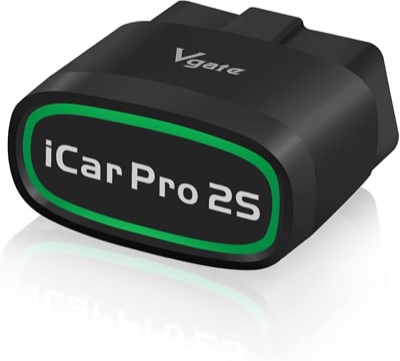
Use OBD scanner or VW dealer tool to verify battery capacity. Should be above 90% for cars under 100,000 km.
Test charging on DC fast charger
Verify car accepts full charging speed (100+ kW when battery below 30%). Check for charging errors.
Check for suspension creaking and knocking
Drive over speed bumps and rough roads slowly. Listen for knocking from drop links or creaking from bushings.
Test all door handles and keyless entry
Verify all doors open/close smoothly. Test keyless entry multiple times. Check for water in door panels.
Air conditioning and heat pump test
Test full AC cooling and heating. If heat pump equipped (€1,250 option), verify it functions in both modes.
Check rear drum brakes
In cold weather, verify brakes don't stick after parking overnight. Listen for abnormal sounds when releasing parking brake.
12V battery drain (early production, software fix 0783)Check software version
Battery management system reset during driving (July 2021)Software update available
TSB 91-24-03: Settings reset / data-bus diagnostic interfaceSoftware fix available
Front suspension creaking (Technical Bulletin)Bushing lubrication service
Contact a Volkswagen dealer with the VIN to verify all recalls and service measures have been completed. The high-voltage battery recall (2020 production) is the most critical - affected vehicles require battery module replacement. Verify current software version is 3.0 or higher.
Warranty Status
Factory warranty (vehicle)3 years / 60,000 miles
High-voltage battery warranty8 years / 160,000 km (70% capacity guaranteed)
Power electronics / drive unit3 years / 60,000 miles (same as vehicle)
All 2020-2021 ID.3s are now outside their original 3-year factory warranty. The battery warranty is excellent - 8 years/160,000 km with 70% capacity guarantee. Real-world testing shows 91% capacity retention at 160,000 km, significantly exceeding warranty requirements. Extended warranty is relatively affordable at approximately £250/year (€290) and recommended for high-mileage buyers due to expensive electronic components.
This report is for informational purposes only and does not constitute professional advice. Estimates may be inaccurate. Always have a qualified specialist inspect the vehicle before purchase. We accept no liability for decisions made based on this information.