A compact SUV built on the MQB platform, popular as a practical everyday car. The EA288 2.0 TDI is a significant improvement over older VW diesel engines, but the combination of DPF, AdBlue system, DSG gearbox, and EGR complexity means several subsystems need monitoring. Reliability surveys have been mixed: ranked near the bottom in 2021 (86.5%) but recovered strongly by 2024 (98.4%). Key concerns: DPF clogging from short trips, DSG fluid maintenance, AdBlue sensor/heater faults, and turbo wastegate actuator issues. Timing belt must be replaced no later than 5 years. Manual gearbox variants are more reliable than DSG if available.
Short trips prevent regeneration, causing progressive soot buildup · more· less
The EA288's DPF regenerates based on soot load or roughly every 400 km of mixed driving. Cars used primarily for short urban trips (under 10 km) often fail to complete a full regeneration cycle, leading to progressive clogging. Symptoms include loss of power, increased fuel consumption, and the DPF warning light. Professional DPF cleaning costs €250-400 as a first step. If cleaning fails, full OEM replacement runs €1,500-2,500 including labor. Aftermarket DPF filters are available from €400-600 for the part alone. Driving at 60-80 km/h for 15+ minutes regularly helps prevent this issue.
Jerky shifts or limp mode, often caused by missed fluid changes · more· less
The T-Roc 2.0 TDI uses either the DQ200 (dry-clutch) or DQ381 (wet-clutch) 7-speed DSG depending on the variant. Both require fluid changes every 60,000 km (roughly 40,000 miles) at minimum — skipping this interval is the single most common cause of DSG failure. Symptoms include jerky low-speed shifts, hesitation pulling away, or the car entering emergency/limp mode after extended driving. Specialist mechatronics repair costs €500-1,500; a new mechatronics unit from dealer is approximately €1,500-2,000 fitted. Full gearbox replacement in worst case runs €4,000-6,000. Forum reports suggest approximately 98% of mechatronics failures can be repaired rather than requiring full replacement.
AdBlue system faults (sensor, heater, pump)€200 - €1,500
Warning light fails to reset, or heater/pump fails — more time-dependent than mileage · more· less
The AdBlue (urea injection) system has several failure modes. The most frustrating is the warning light not resetting after refilling — often a software fault solvable with a dealer reset (€0-50). The AdBlue heater fails "based more on time than mileage" and costs €700-1,000 to replace. The AdBlue pump failure costs approximately €700 in parts and labor. The sensor is integrated into the tank, so a sensor failure often means replacing the entire AdBlue tank assembly (€800-1,200). VW has issued software updates for some of these issues — ensure all updates are applied.
Turbo wastegate actuator failure€400 - €1,200
Power loss and P0299 error code, actuator sticks or electric bypass valve fails · more· less
The turbo wastegate actuator or electric bypass valve can fail, causing inconsistent boost pressure. This triggers error codes P0299 (low boost) or P0234, often accompanied by limp mode. In many cases, only the actuator or bypass valve has failed — not the turbo itself. A typical repair including actuator replacement, system recalibration, and testing runs approximately €780. If the main turbo unit is also damaged, replacement costs rise to €1,000-2,000 for the part plus labor. A MAP sensor or swirl flap actuator fault can also mimic turbo underboost symptoms — proper diagnosis with ODIS is essential.
EGR valve and cooler carbon buildup€400 - €1,200
Carbon deposits cause valve to stick, especially with short-trip driving · more· less
The EA288 features a complex dual-EGR system with multiple cooling circuits. Carbon deposits accumulate over time, particularly on cars driven mostly on short urban trips. Symptoms include rough idle, loss of power, and check engine light. The EGR valve part costs €200-300, but labor is significant due to accessibility on the MQB platform — total repair typically €600-1,200 at independent specialists. Always use genuine VW parts; aftermarket EGR valves have a poor track record on this engine. Carbon cleaning (walnut blasting) every 60,000-80,000 km is recommended as preventive maintenance.
Timing belt failure (if not replaced on schedule)€600 - €3,500
Scheduled replacement every 5 years or ~90,000 km — catastrophic if missed · more· less
The EA288 uses a timing belt (not chain). VW recommends replacement every 5 years or 90,000-120,000 km depending on market. The belt itself is inexpensive, but if it snaps, valve-piston contact causes engine destruction (€3,000+ rebuild). Preventive replacement costs €500-800 including labor when you also replace the water pump and oil pump belt (strongly recommended simultaneously). The EA288 has two toothed belts — ensure both are replaced. This is a low-probability risk if maintained, but catastrophic if ignored.
Infotainment system freezing / software glitches€0 - €800
Screen freezes, slow response, or navigation errors — often resolved by software update · more· less
Multiple owners report the MQB infotainment system freezing, becoming unresponsive, or displaying incorrect information. Volkswagen has released software updates addressing several of these issues — always ensure the latest software is installed. Most cases are resolved for free via a dealer software update. In rare cases where the infotainment module itself has failed, replacement costs €500-800 including labor and reprogramming.
Fuel injector wear or failure€800 - €2,500
Rough idle, misfiring, or sudden power loss — more common on high-mileage units · more· less
The EA288 generation has largely resolved the injector reliability issues seen on the older EA189. However, on higher-mileage examples (100,000+ km), injector wear can cause rough running, misfiring, or black smoke. A single injector replacement costs €400-600 including labor. It is generally recommended to replace all four injectors together if one fails, bringing the total to €1,500-2,500. Each new injector has an individual adjustment (IMA) code that must be programmed into the ECU — this requires ODIS diagnostic equipment.
Diesel complexity demands regular attention
The T-Roc 2.0 TDI is capable and efficient, but the combination of DPF, AdBlue, dual-EGR, and DSG means several systems require proactive maintenance. Cars used primarily for short urban trips are significantly more prone to DPF and EGR issues. Full service history and DSG fluid change records are essential when buying used. The EA288 engine itself is well-regarded compared to older VW diesels — problems are mostly in the ancillary systems.
Pre-Purchase Inspection Checklist
General checks
Service history
Complete records essential. Verify oil changes, timing belt replacement date, and DSG fluid changes.
Tires
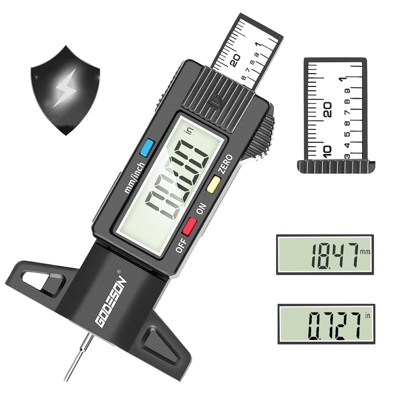
Standard size 205/60R16. Check tread depth, age codes, and uneven wear patterns.
Cold start
Must start engine completely cold. Listen for unusual sounds or rough idle lasting more than 10 seconds.
Body condition
Check for rust, paint peeling (reported on some T-Rocs), and panel gaps.
Test drive
Minimum 25 minutes including 15+ minutes at varied speeds to warm up DSG and diesel systems fully.
Specific for this vehicle
Verify timing belt replacement date
Must be replaced every 5 years or ~90,000-120,000 km. Check service records for date and mileage of last replacement. This is the single most important document to verify.
Check DSG fluid change history
DSG fluid must be changed every 60,000 km minimum. Missing this interval is the leading cause of gearbox failure. Ask for receipts.
Run a diesel diagnostic (ODIS or VCDS)
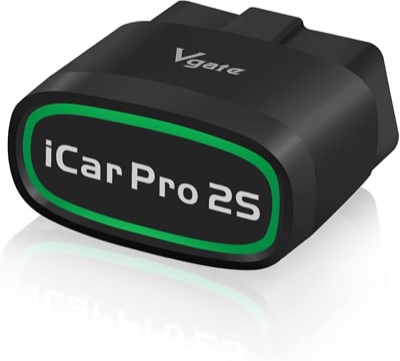
Check for stored and active fault codes across all systems. Pay special attention to DPF soot load percentage, AdBlue system status, and boost pressure readings.
Test DPF regeneration status
A specialist can read the current DPF soot load. Above 50% indicates the filter is struggling and may need cleaning or replacement soon.
Check AdBlue system operation
Verify the warning light resets correctly after refilling. Have the sensor and heater tested — heater failures are time-dependent and common on older cars.
Observe DSG shifts carefully
Drive for 20+ minutes including stop-start traffic. Any jerky shifts, hesitation pulling away, or unusual vibrations suggest mechatronics or clutch issues.
Listen for turbo boost consistency
Accelerate firmly from 1,500-3,000 rpm. Boost should build smoothly and consistently. Any flat spots or sudden power loss suggest wastegate actuator issues.
Rear left wheel bearing housing defectVerify completed
1.0 TSI engine recall (2018-2020)TSI only - not applicable to 2.0 TDI
Contact a Volkswagen dealer with the VIN to verify all applicable recalls have been completed. The brake pedal plate recall (2020) and seatbelt retractor recall (2021) are safety-critical for TDI models in those production windows.
Warranty Status
Factory warranty3 years / 60,000 km (whichever first)
Extended warranty (VW)Available up to 5 years / 150,000 km
DSG gearbox coverageCheck with dealer — may have extended coverage
Most used T-Rocs on the market are outside their original 3-year factory warranty. Volkswagen offers extended warranty packages — worth investigating if the car is still eligible. Note that warranty claims for AdBlue heaters have been disputed by VW in some cases, with the manufacturer arguing these are not part of the core emissions system.
This report is for informational purposes only and does not constitute professional advice. Estimates may be inaccurate. Always have a qualified specialist inspect the vehicle before purchase. We accept no liability for decisions made based on this information.